375MOD
Program
Collective housing
Location
Berchem-Sainte-Agathe
Date
2021
Themes
Urban, Renovation, Public
Phase
Ongoing
Surfaces
18 000 m²
Team
Label, Architectures Parallèles, BESP, MK Engineering, Ann Voets
Client
Comensia
Budget
€ 37 200 000
The renovation of the Cité Moderne
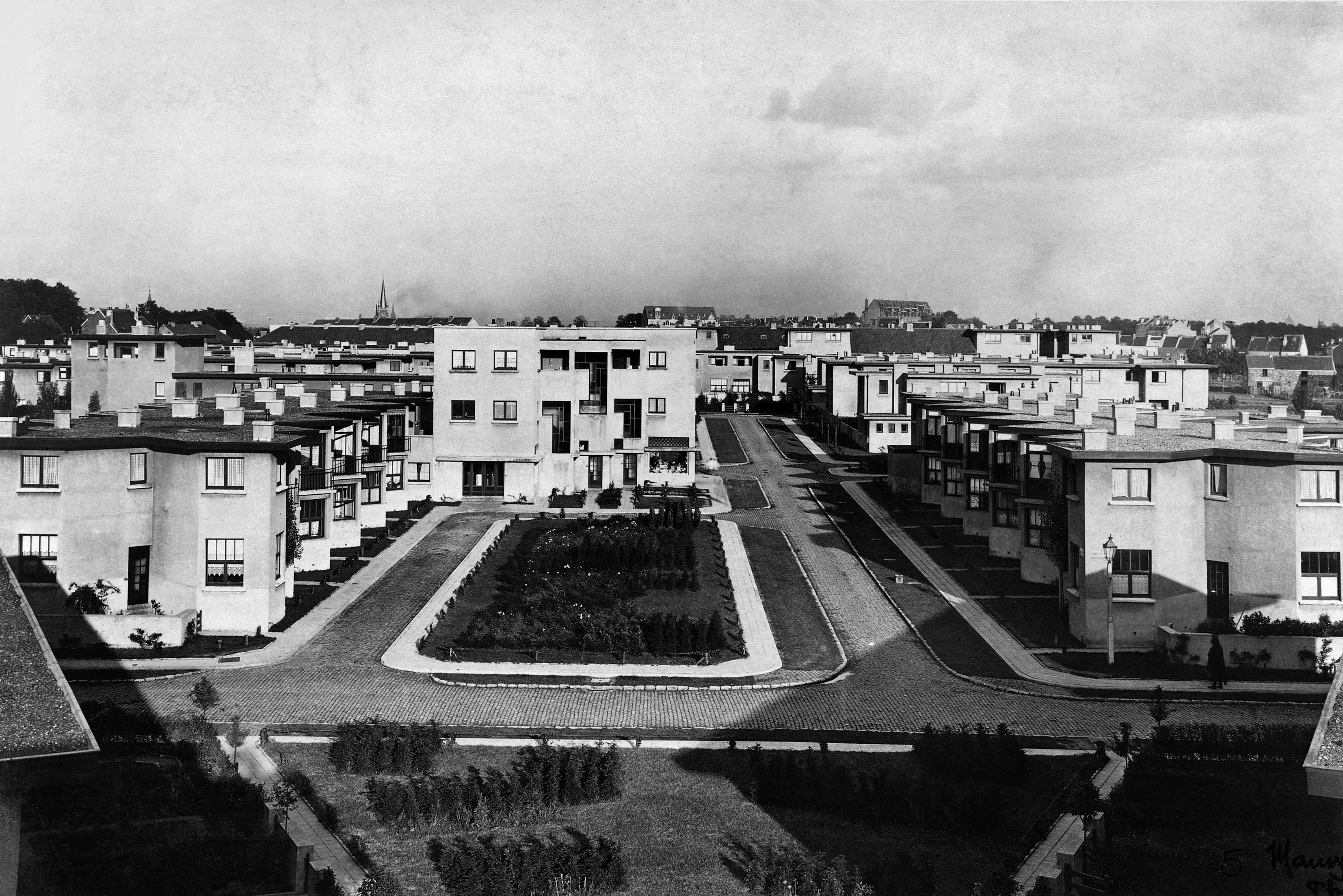
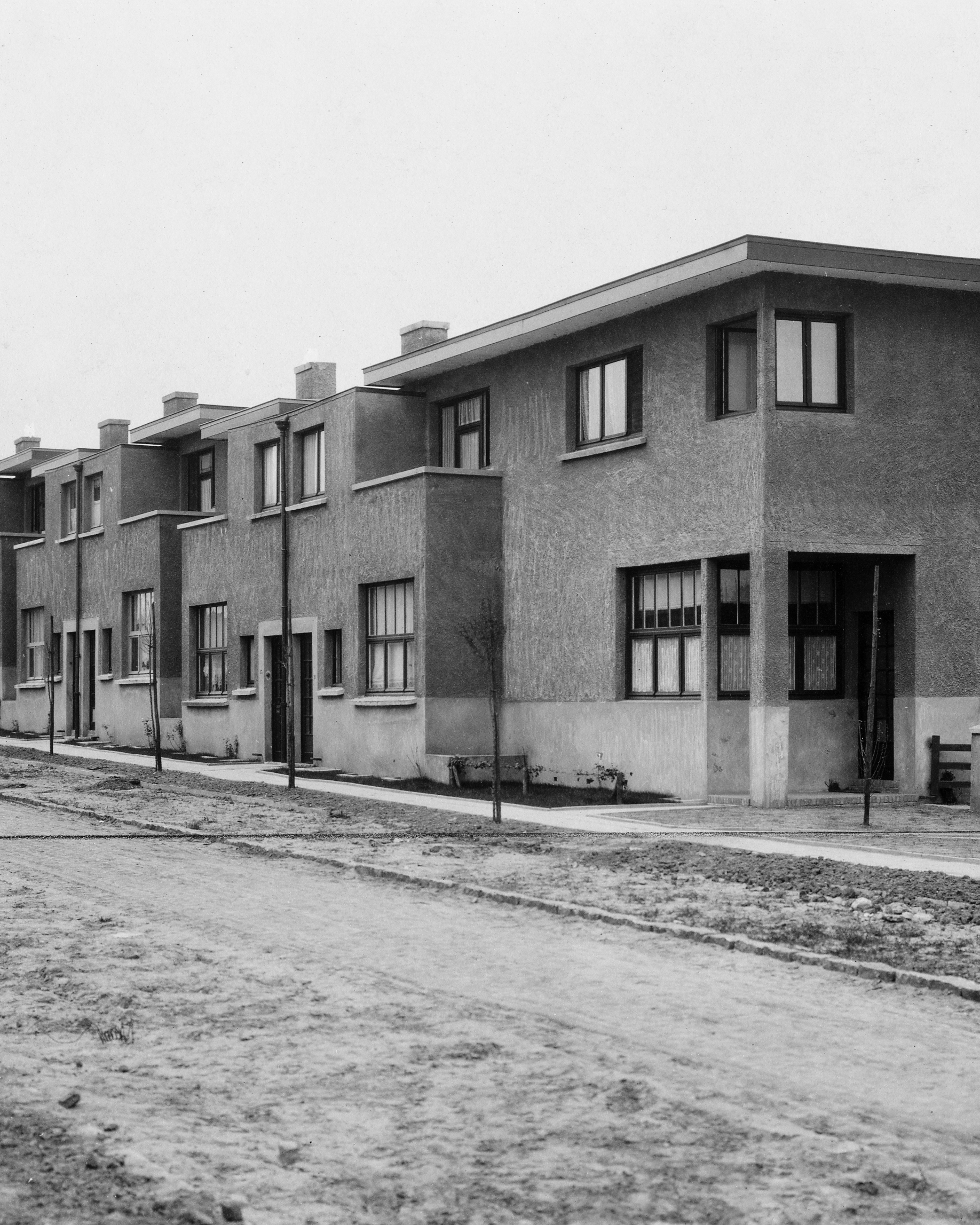
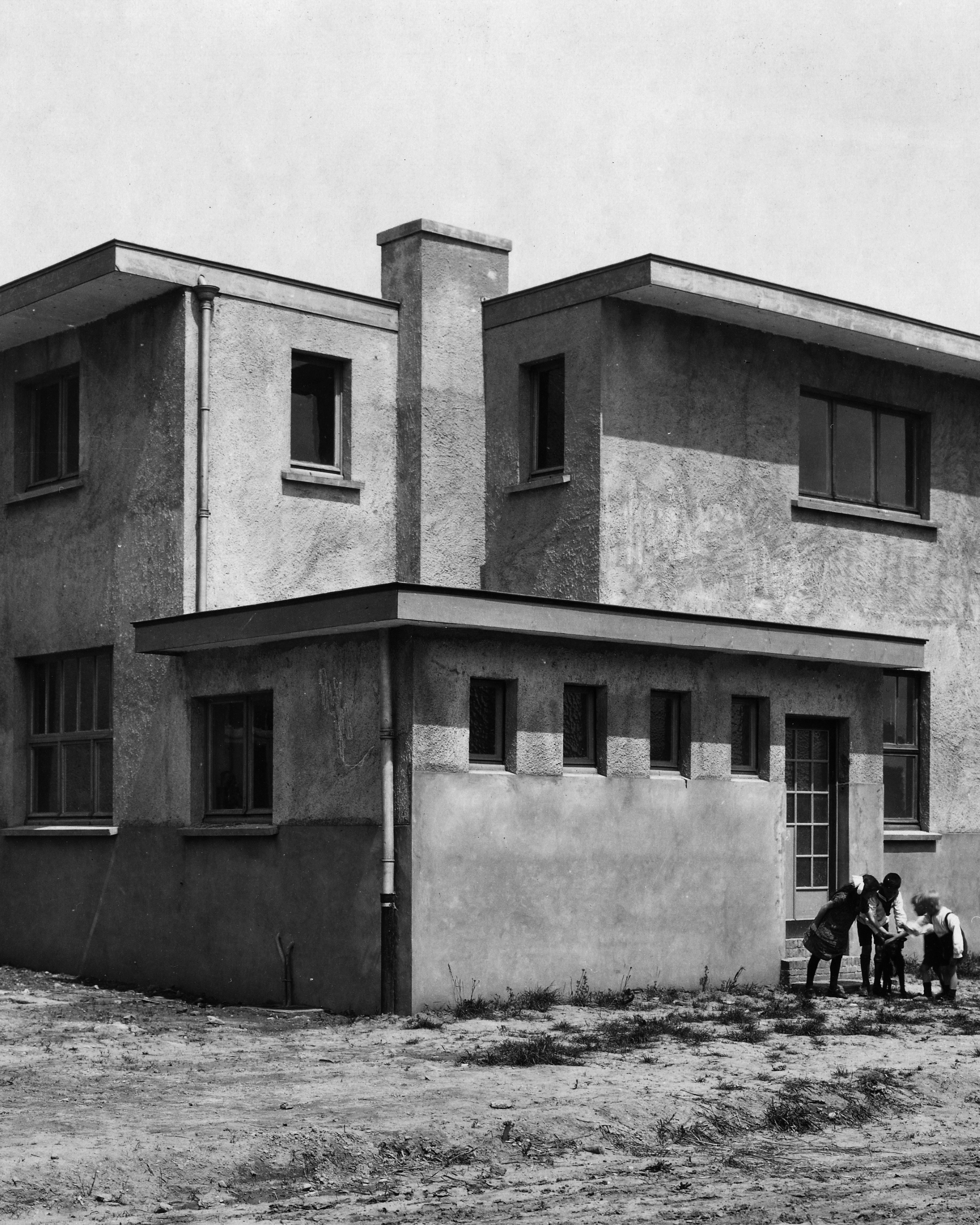
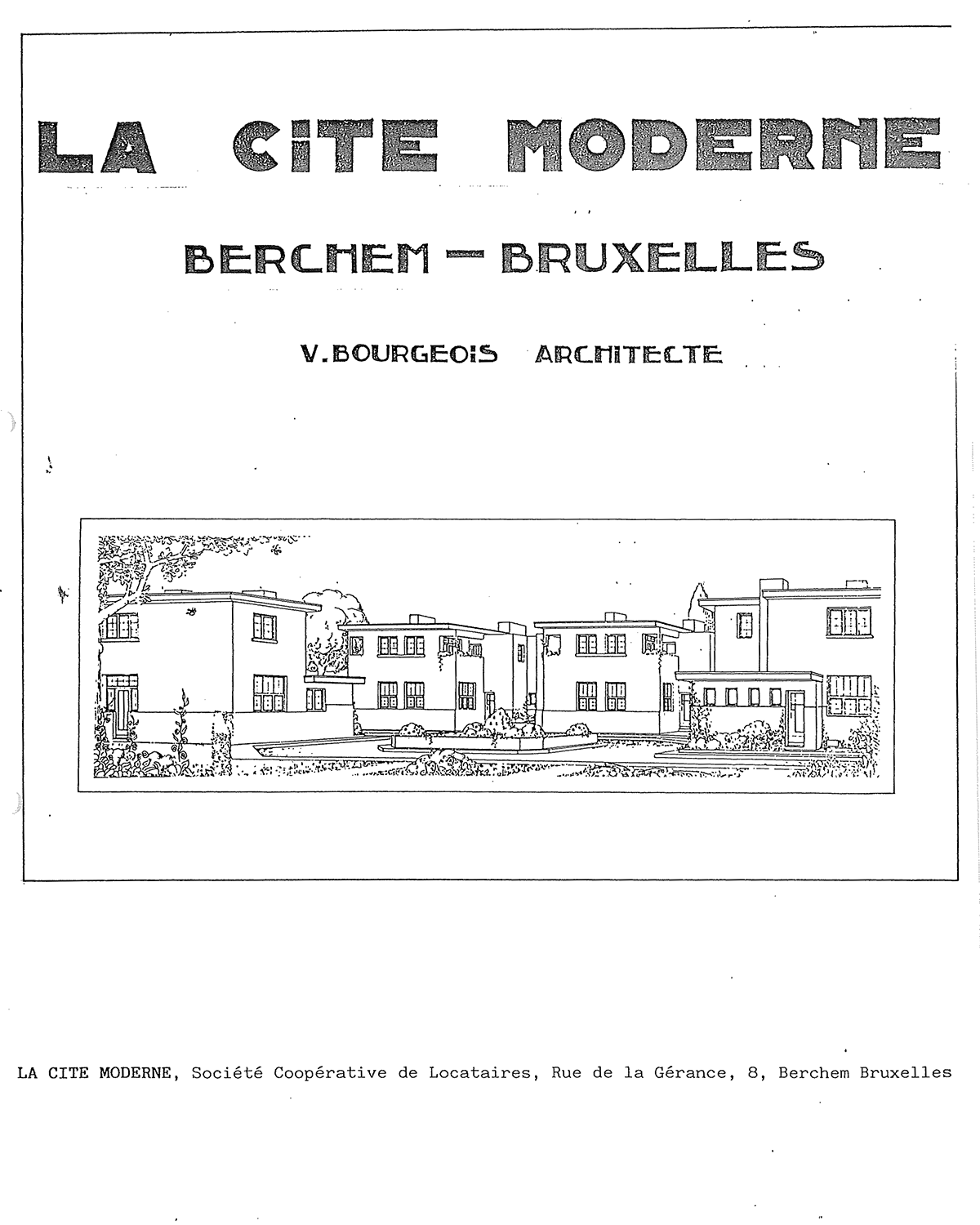
The Cité Moderne, designed by Victor Bourgeois (and perhaps Louis Van der Swaelmen?) in the early 1920s, is gradually being renovated on the initiative of the Comensia tenants' cooperative.
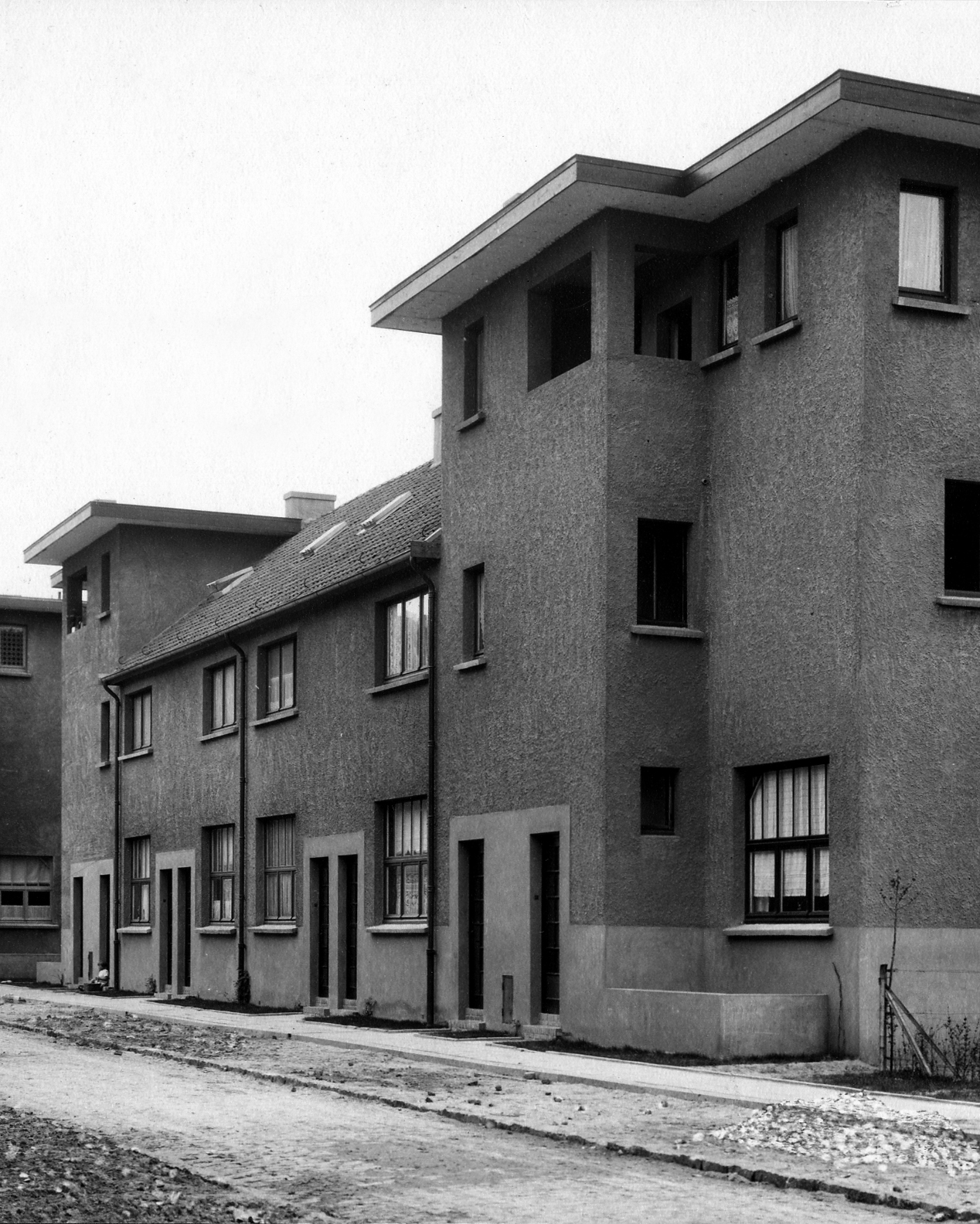
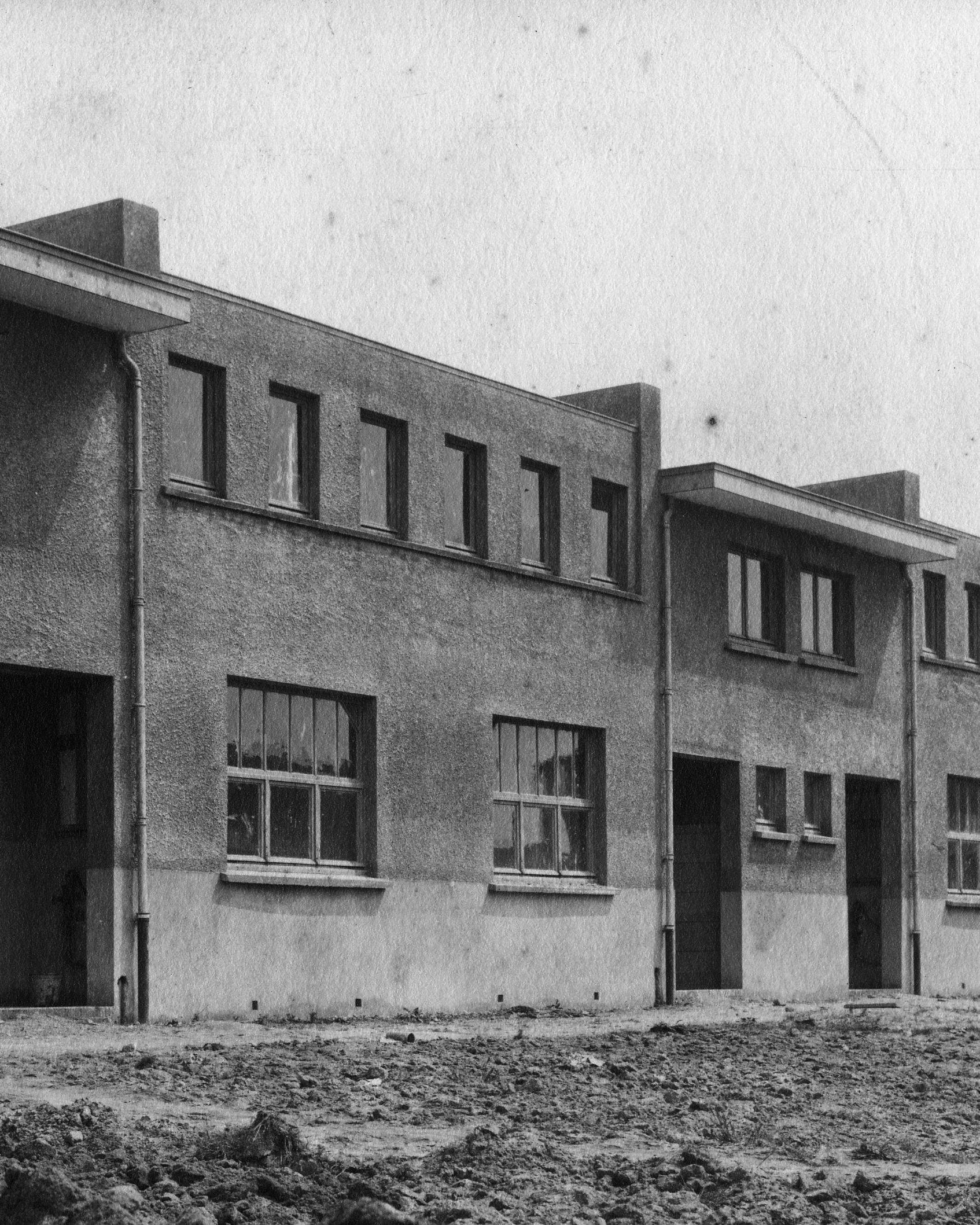
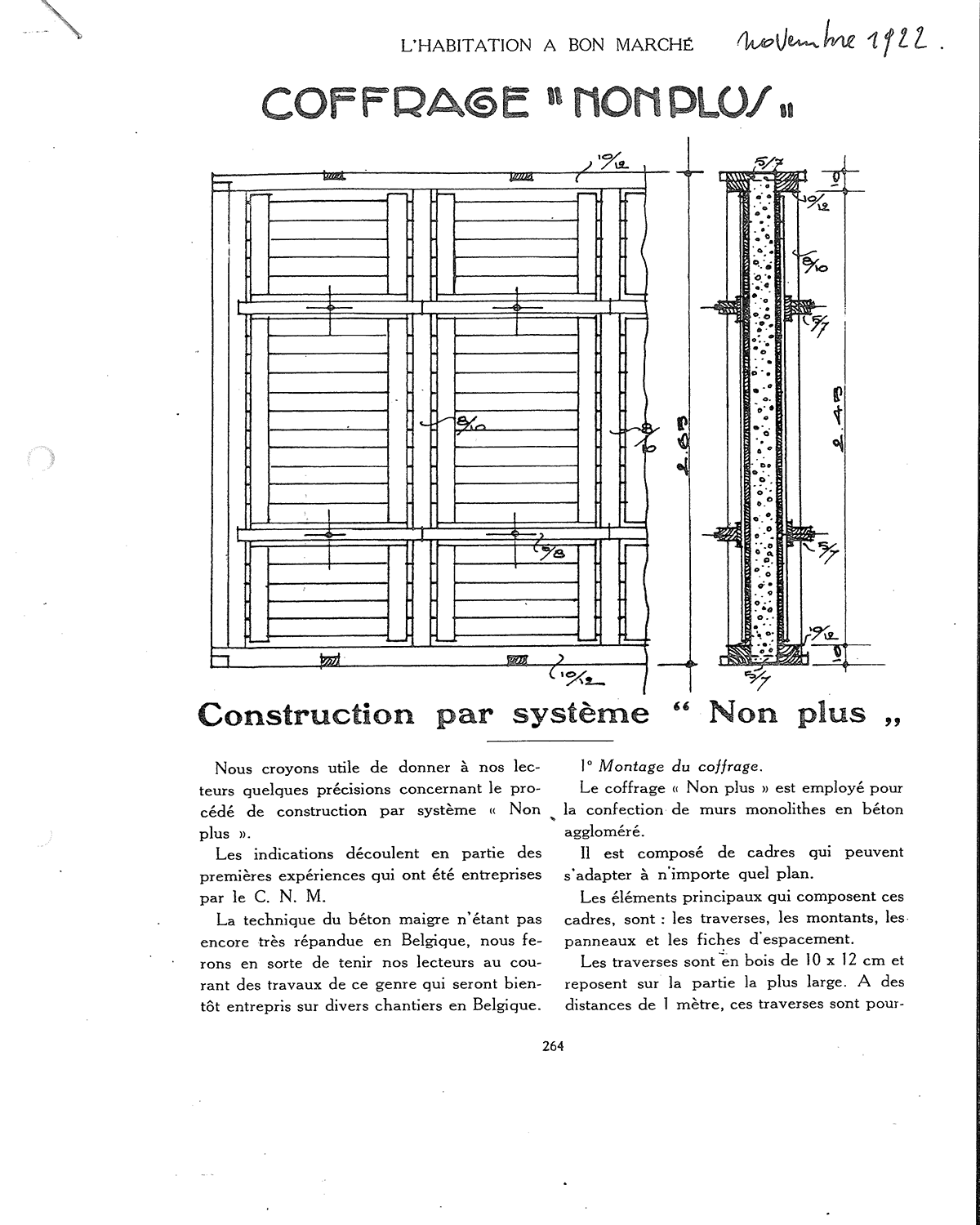
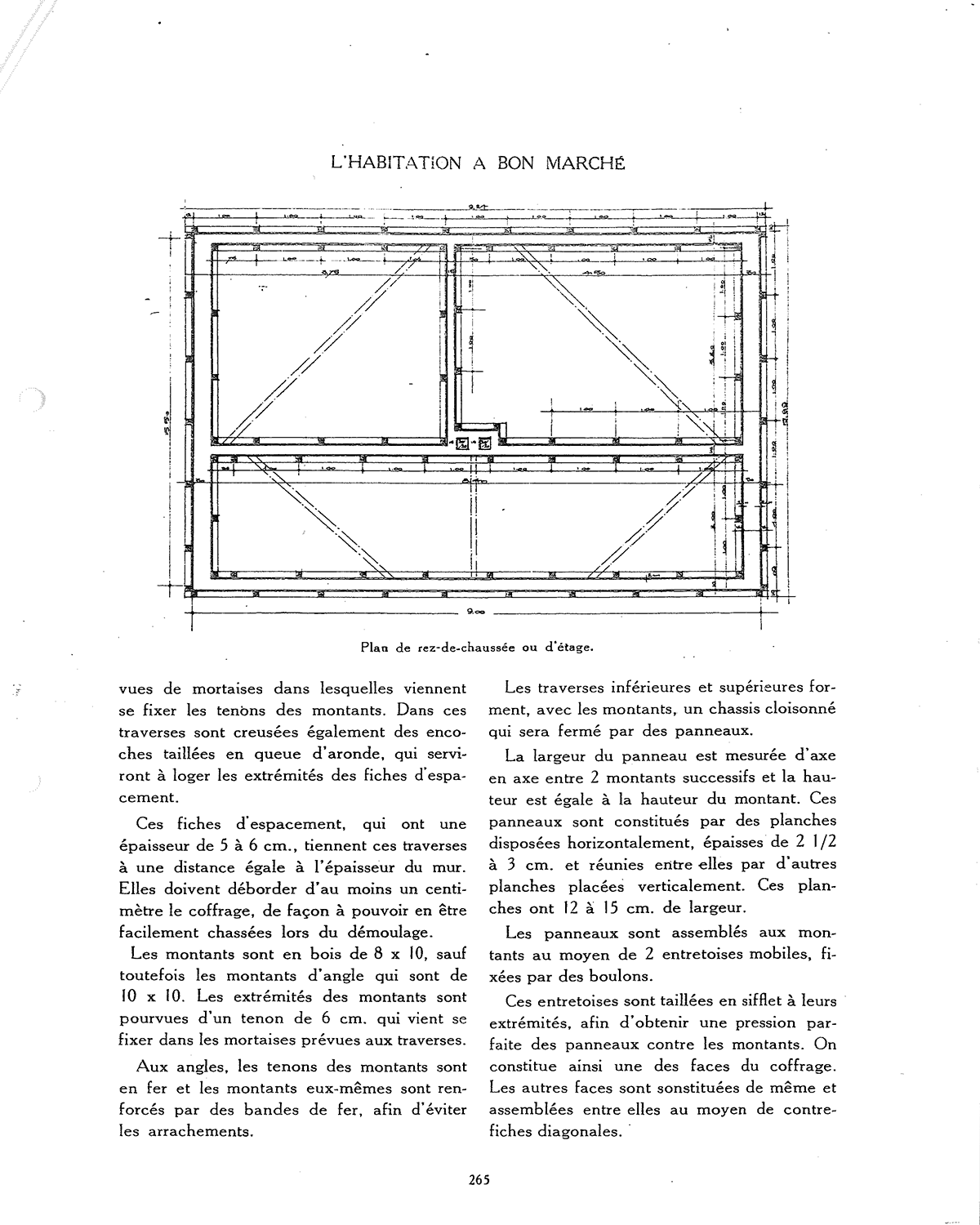
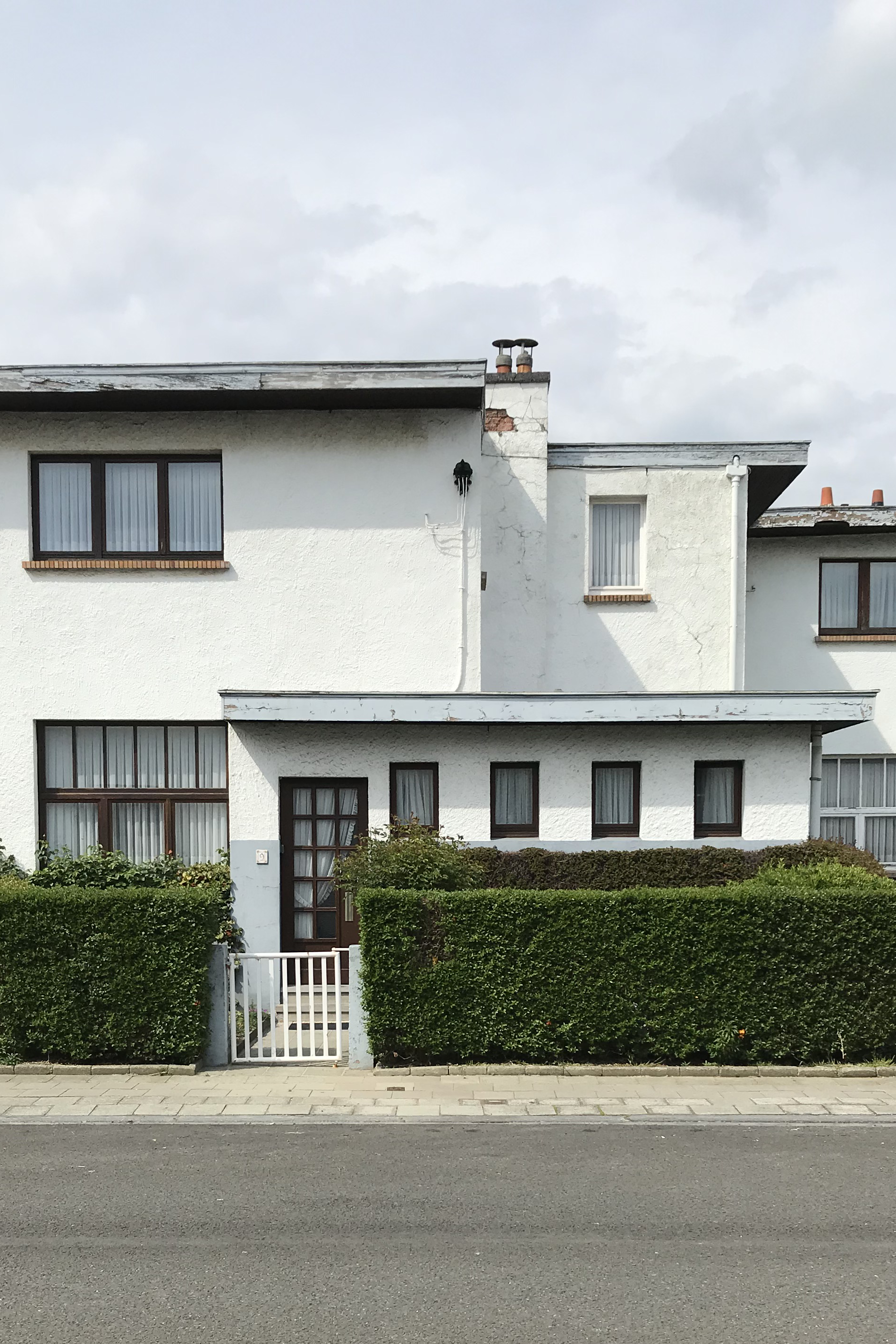
In recent years, Karbon’ has had the opportunity to renovate two important typologies of the Cité: type C, the Bovenhuis (278BER) and the collective building of type K on the Place de l’Iniative and Rue de la Gérance (331INI). These projects, carried out through successive adjustments, were based on architect Iwan Strauven's research into the architectural work of Victor Bourgeois. In his work Modernity, tradition and neutrality, he emphasises the structural contrast between the resolutely modern character of the Cité, which is particularly evident in the articulation of cubist volumes and the use of innovative construction techniques – such as “Non Plus” concrete – and more traditional elements, recognisable in the use of crépi tyrolien (Tyrolean plasterwork), wooden floors and cross-bar window frames.
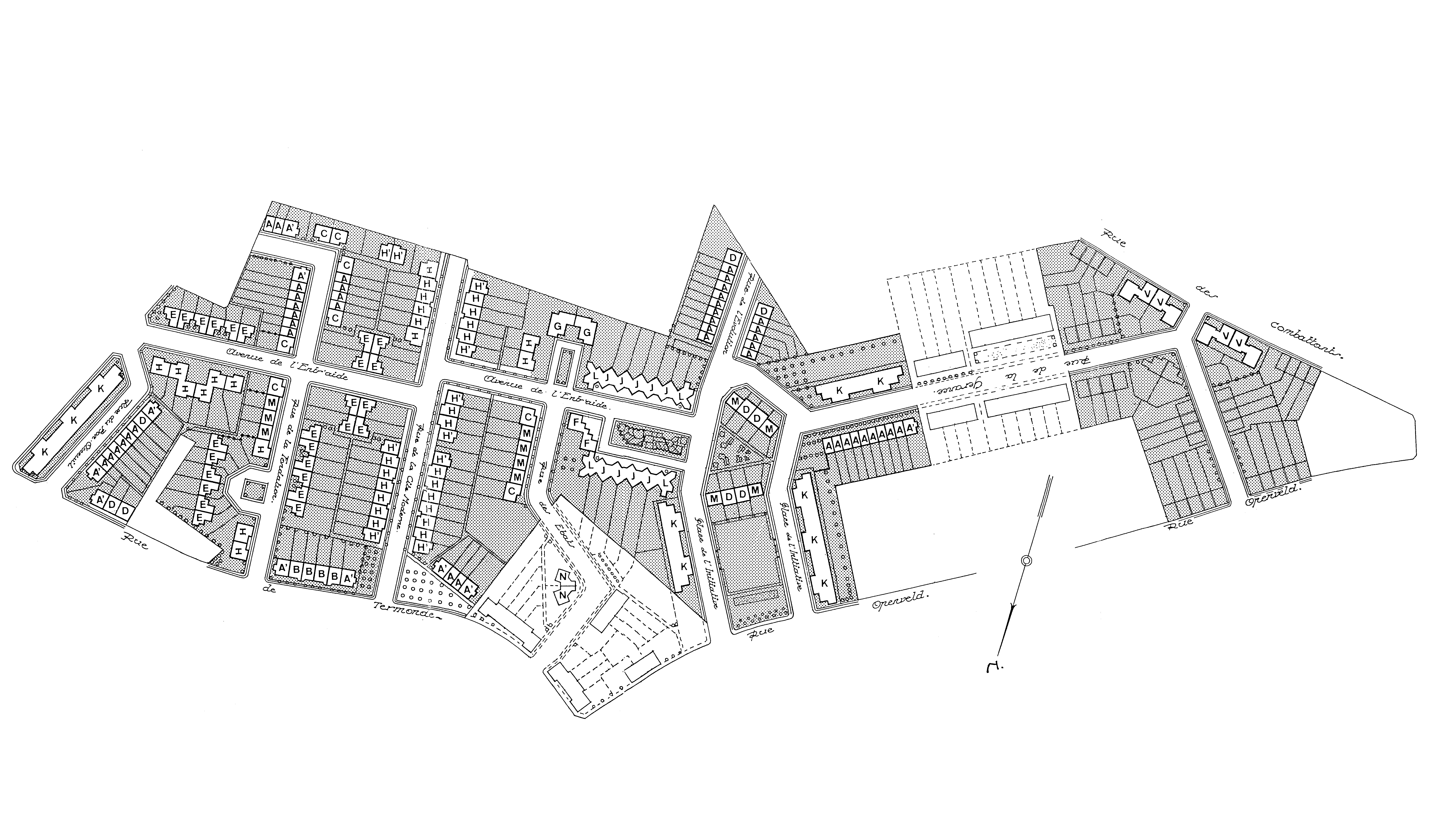
These findings have enabled us to refine our understanding of the structural and formal logic of this listed complex and to propose a coherent strategy for the entirety of the Cité Moderne. Today, the renovation project is therefore focusing on the 13 other types of houses (173 dwellings) that make up the Cité. Carried out in collaboration with Label Architecture, Architecture Parallèle and Ann Voets, the renovation takes a careful approach to the existing structures, aiming to meticulously preserve and restore the unique qualities of the buildings and landscape structures of the Cité, while incorporating the necessary changes to ensure that the dwellings meet contemporary uses and current technical and functional requirements.
Bringing back the qualities of the garden city
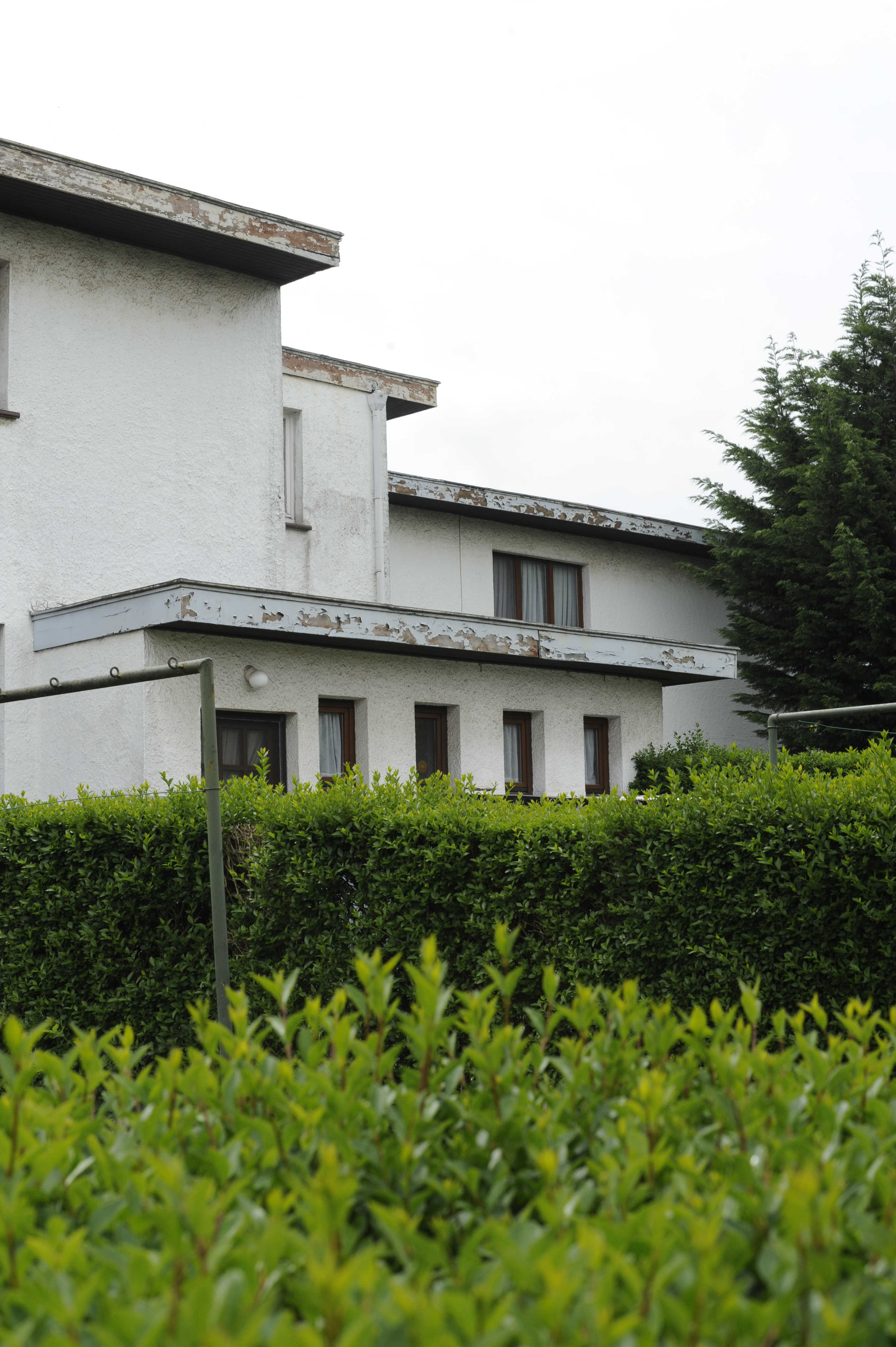
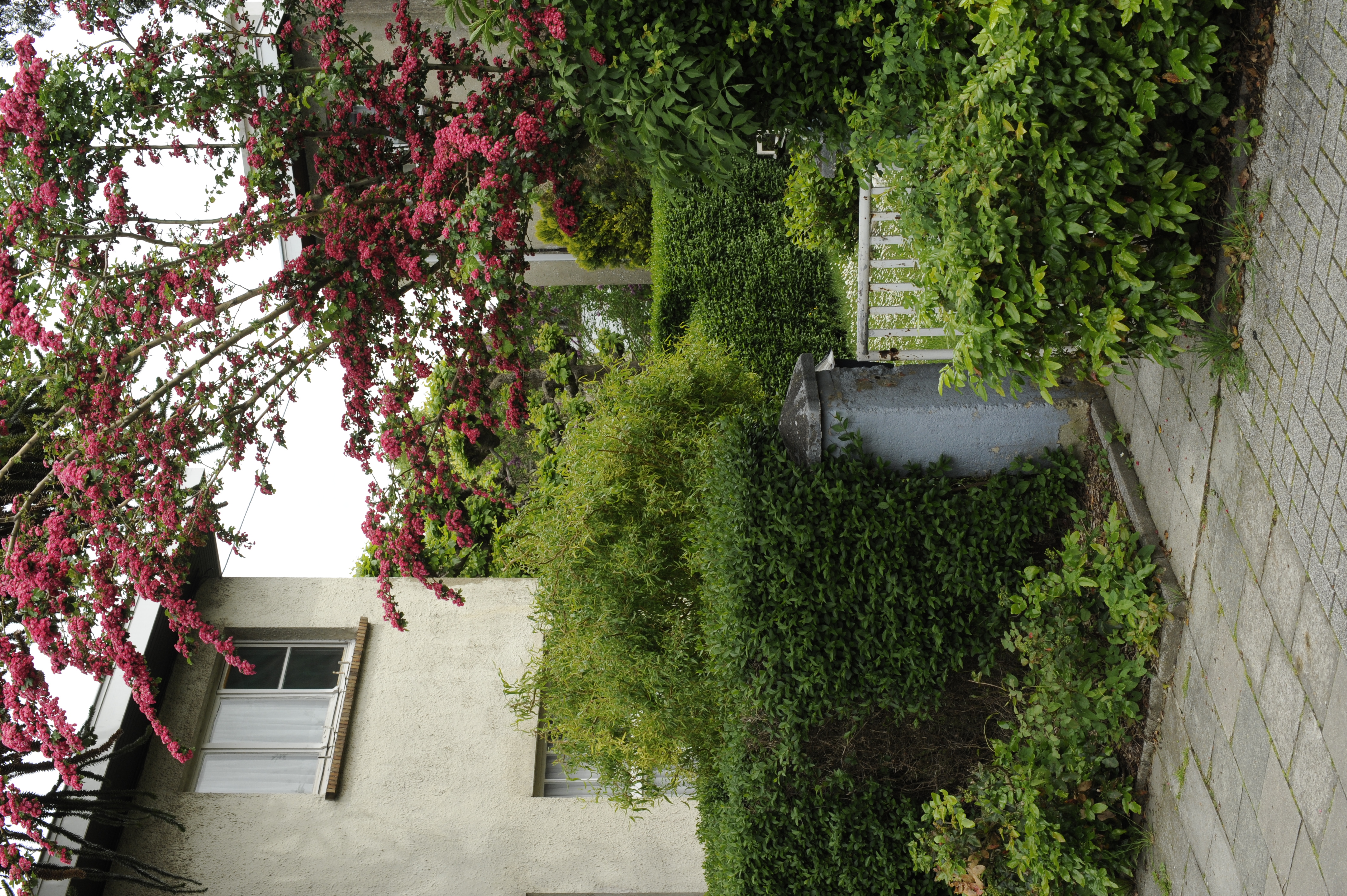
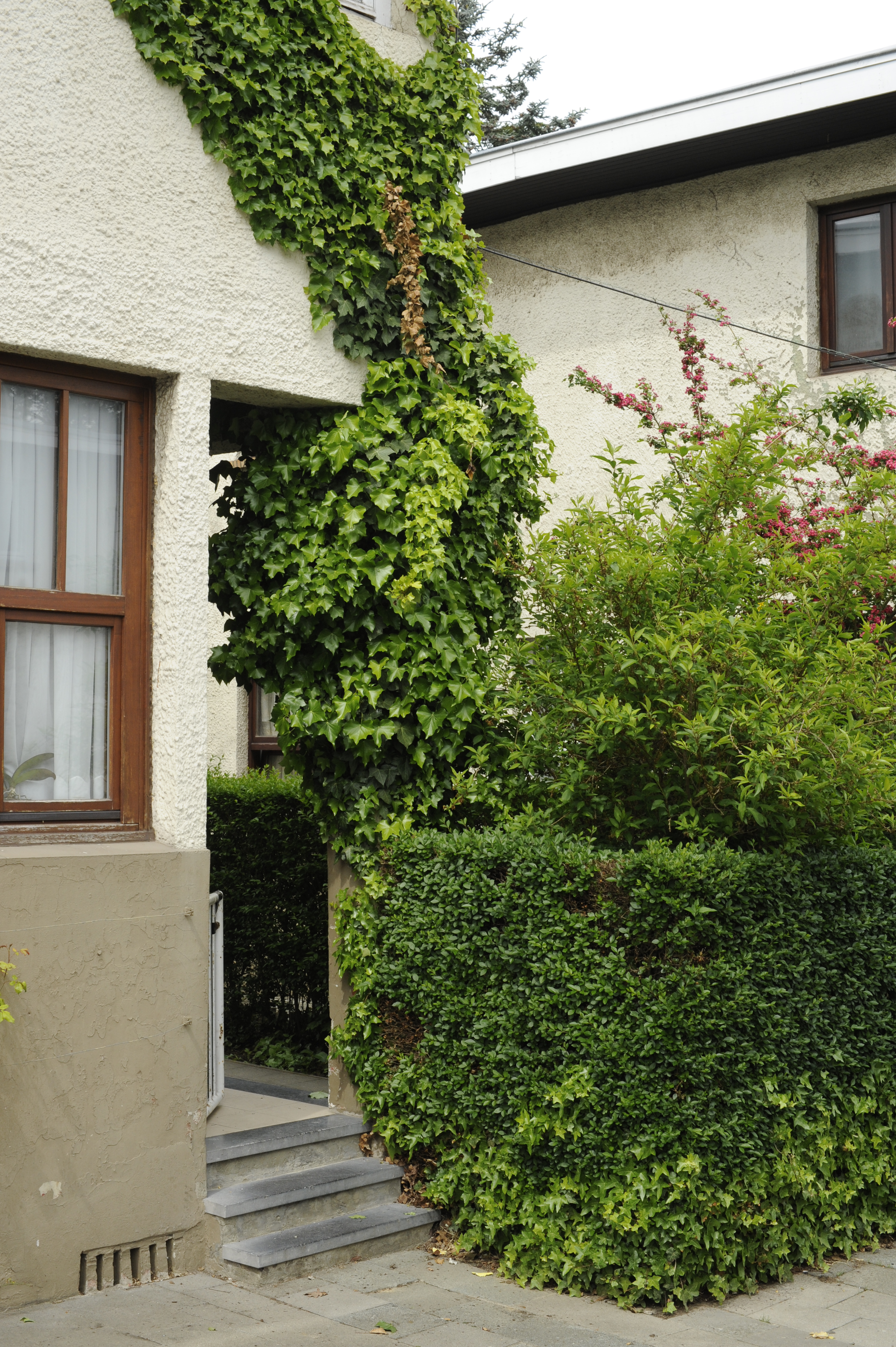
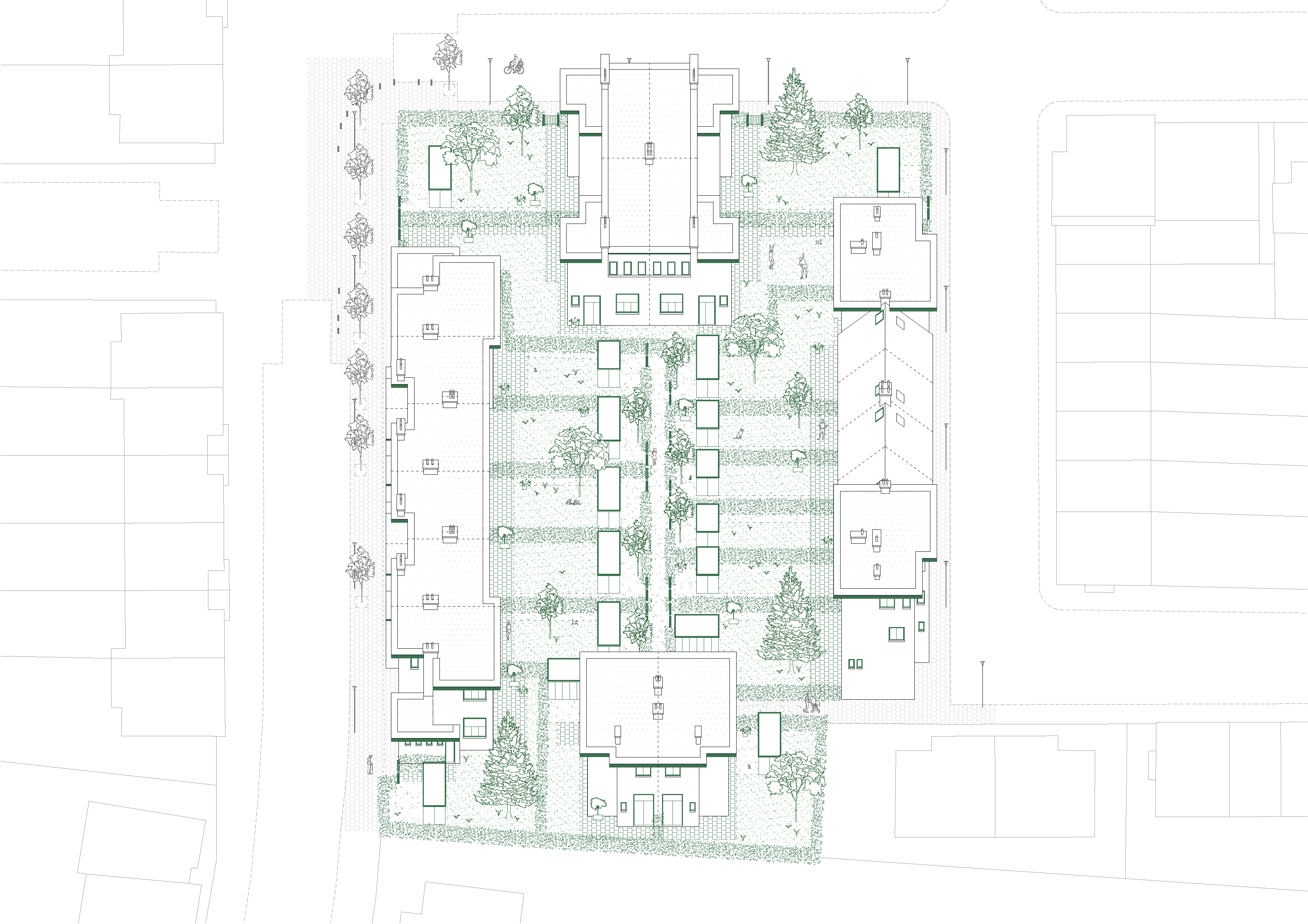
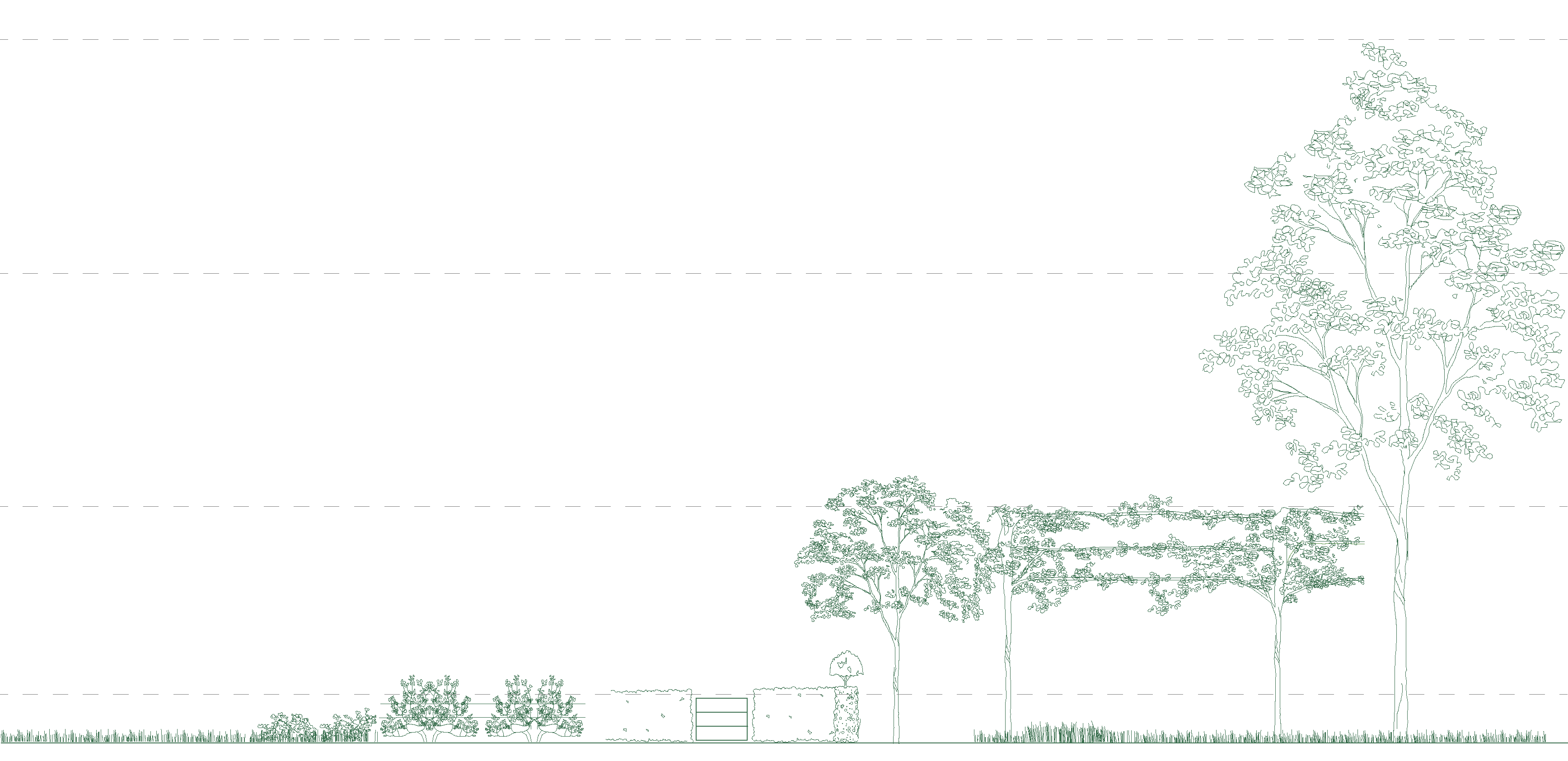
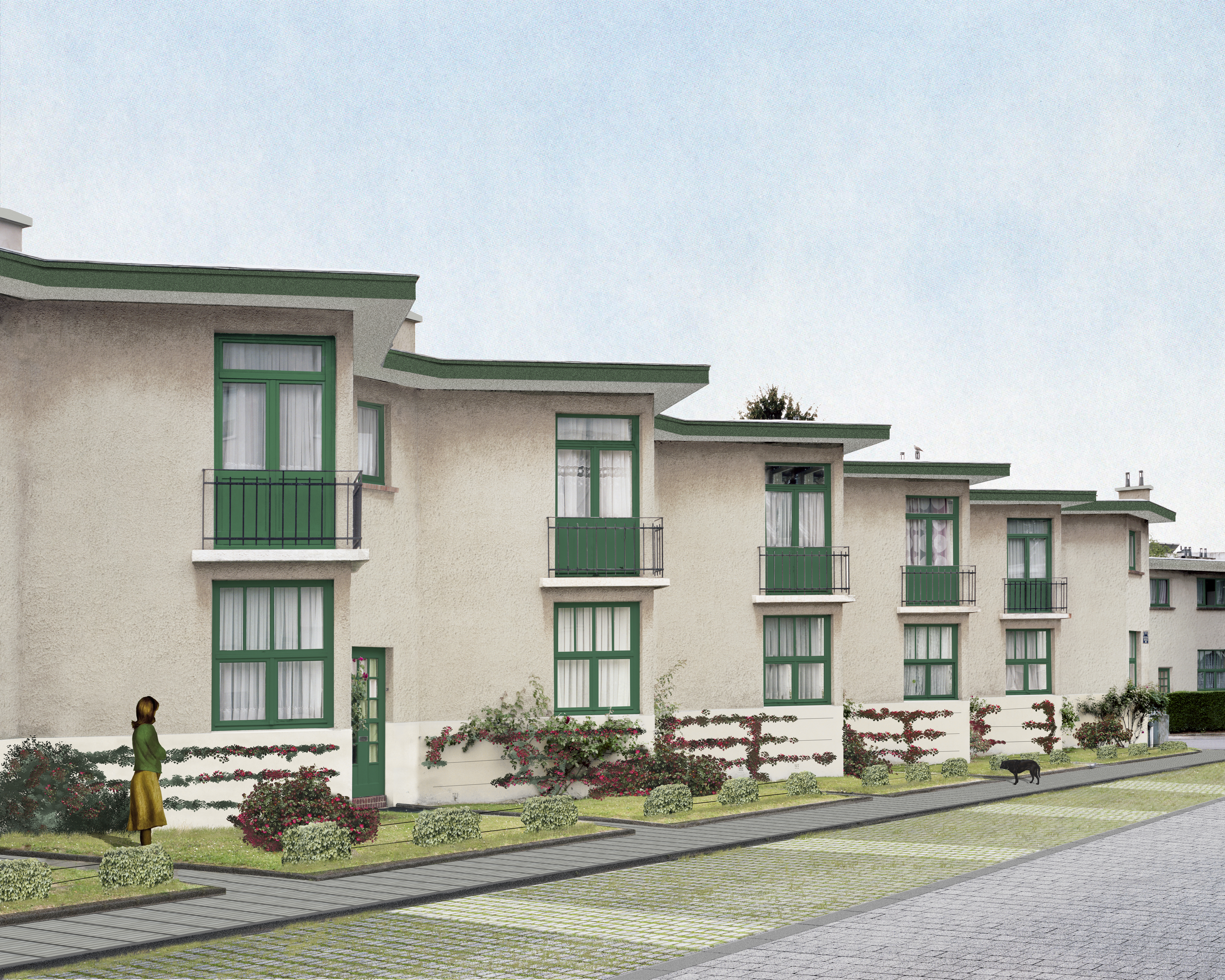
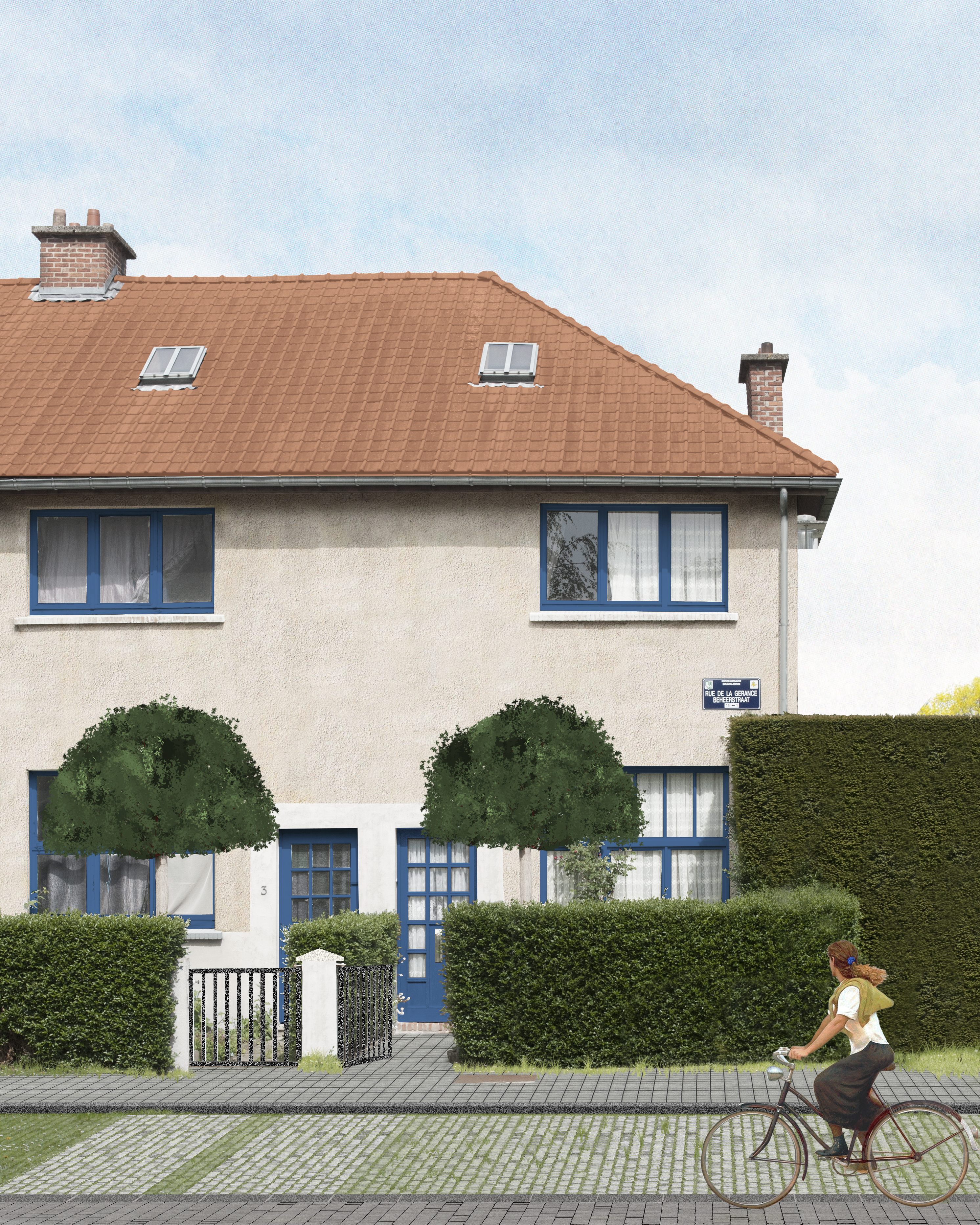
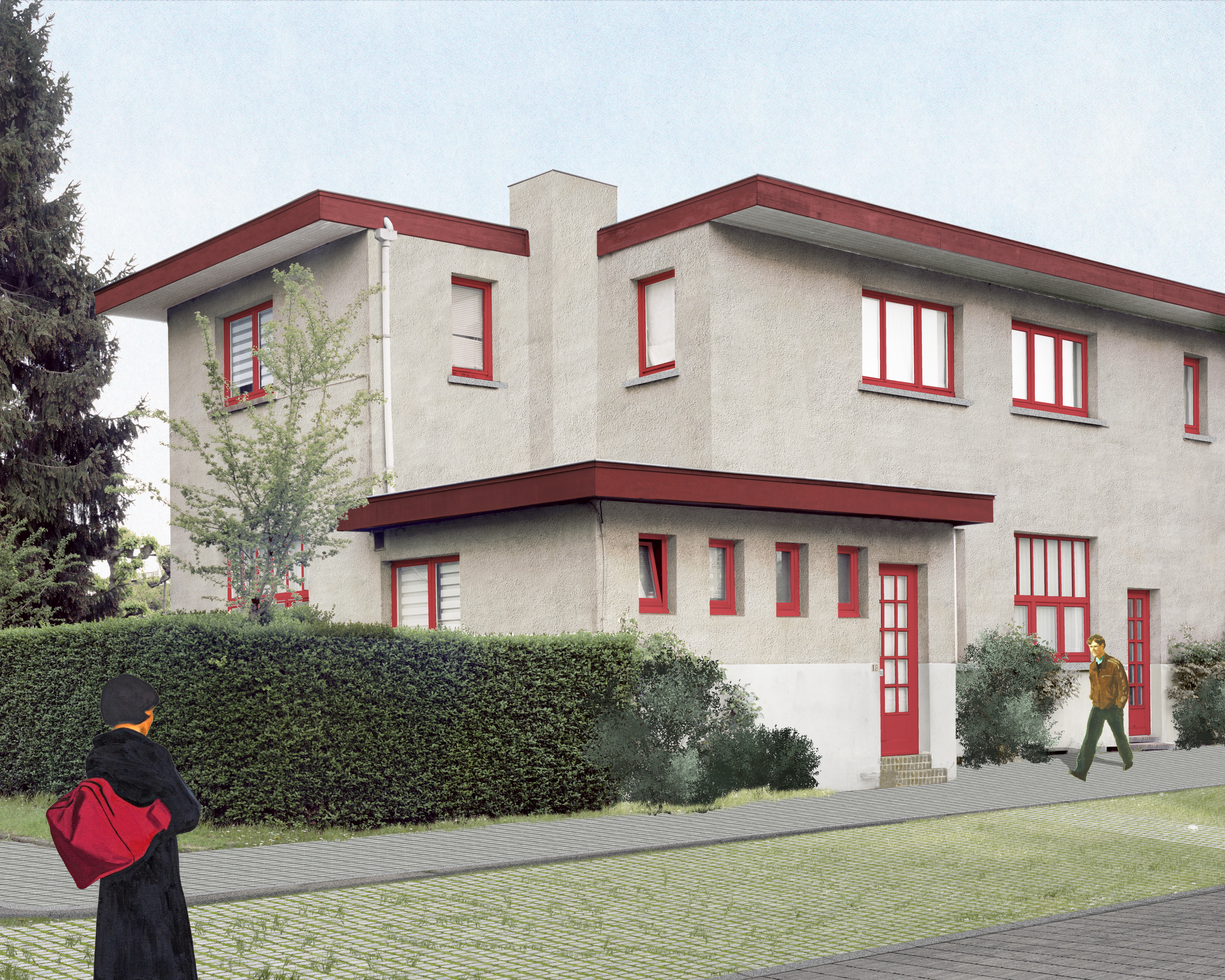
Over the decades, the asphalting of streets, the closure of balconies and the gradual deterioration of buildings and their surroundings have tarnished the original qualities of the Cité Moderne. The current renovation project aims to restore the value of this internationally recognised heritage site and to re-establish the Cité’s original identity as a garden city. By restoring the network of alleyways and highlighting the eight layers of vegetation that structure the site, its landscape logic can be restored. These different plantings and their variations in rhythm, height and density make it possible to connect private gardens and public spaces in a coherent system that structures the view, thresholds and circulation.
Living in a heritage site
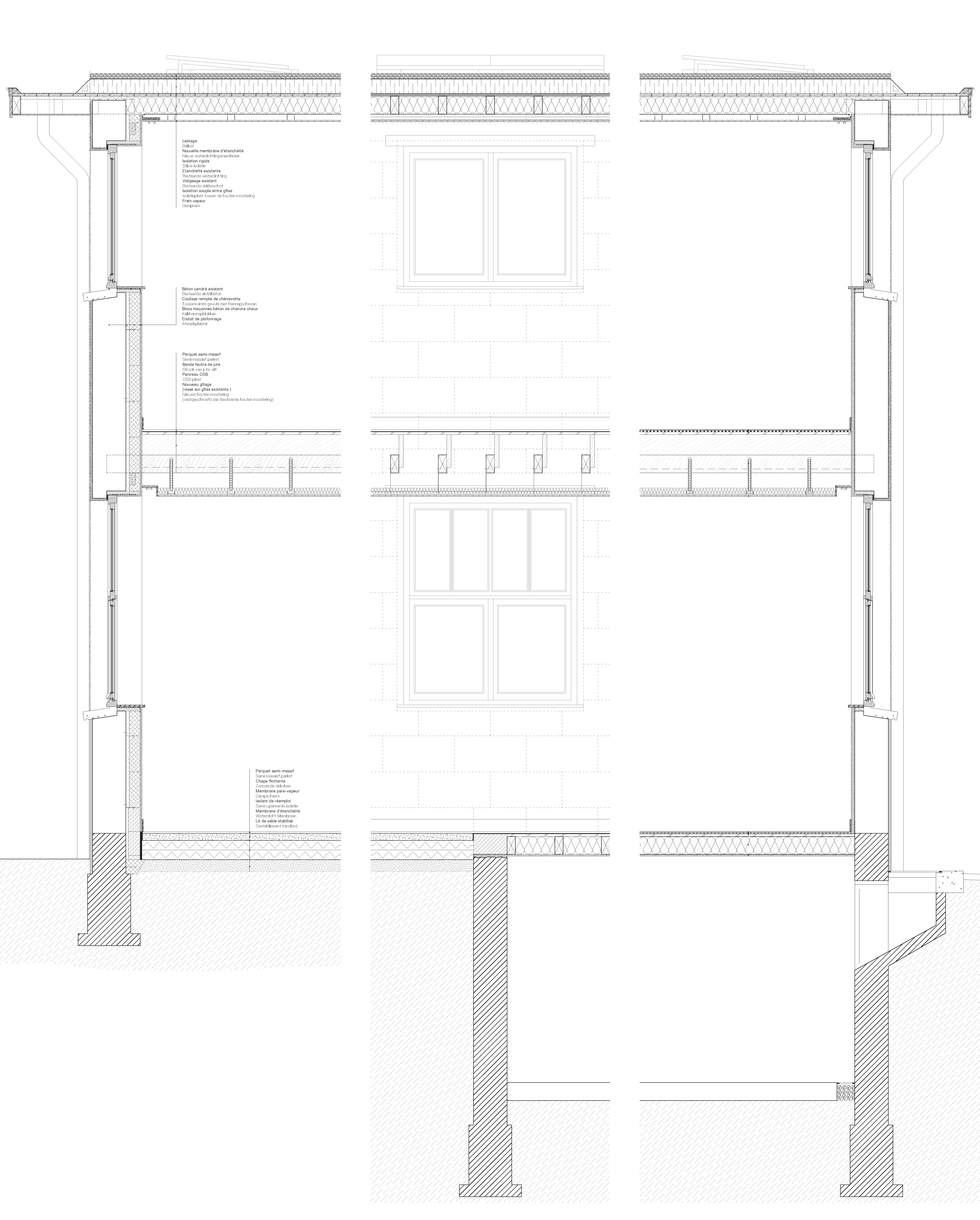
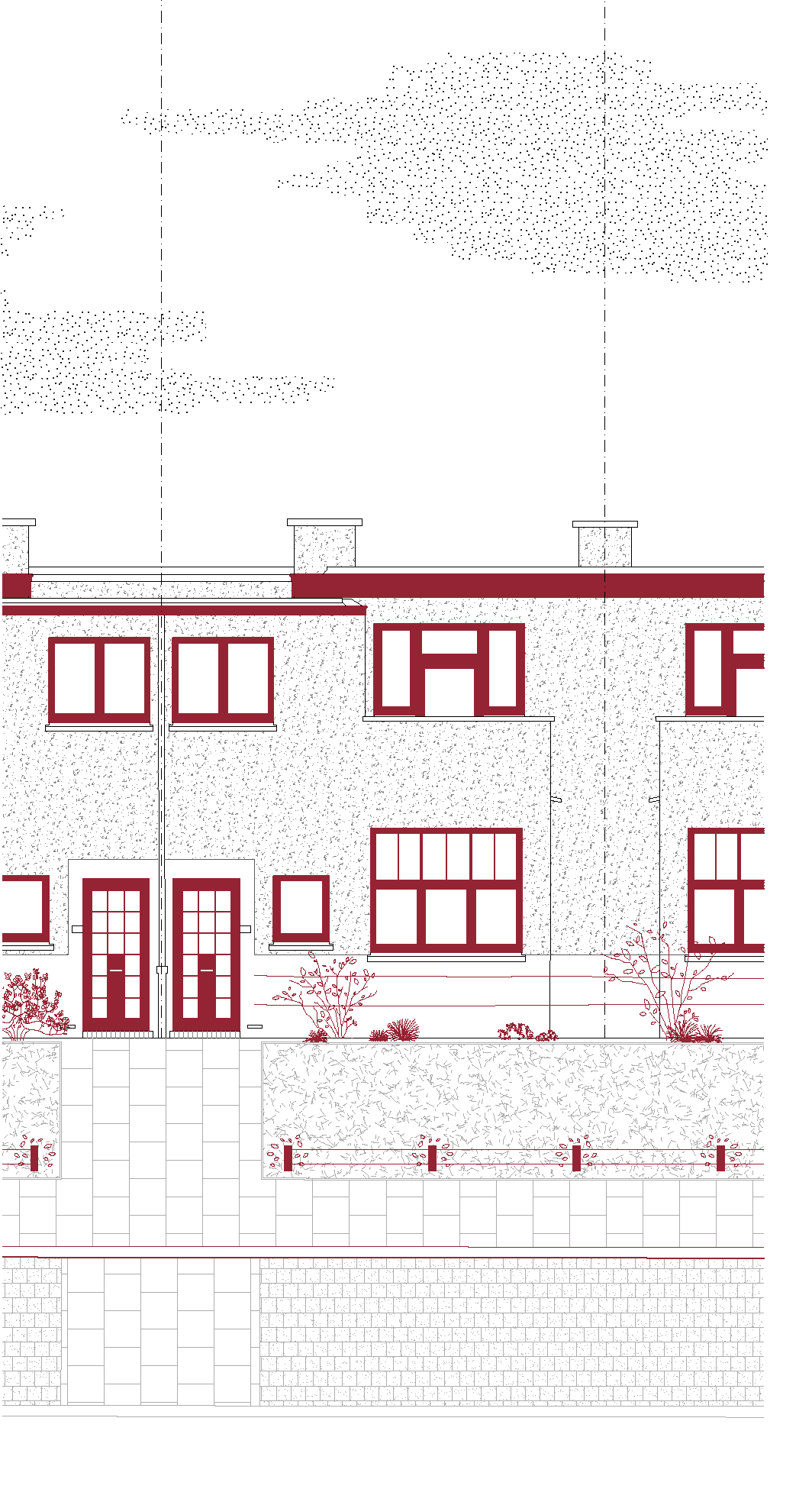
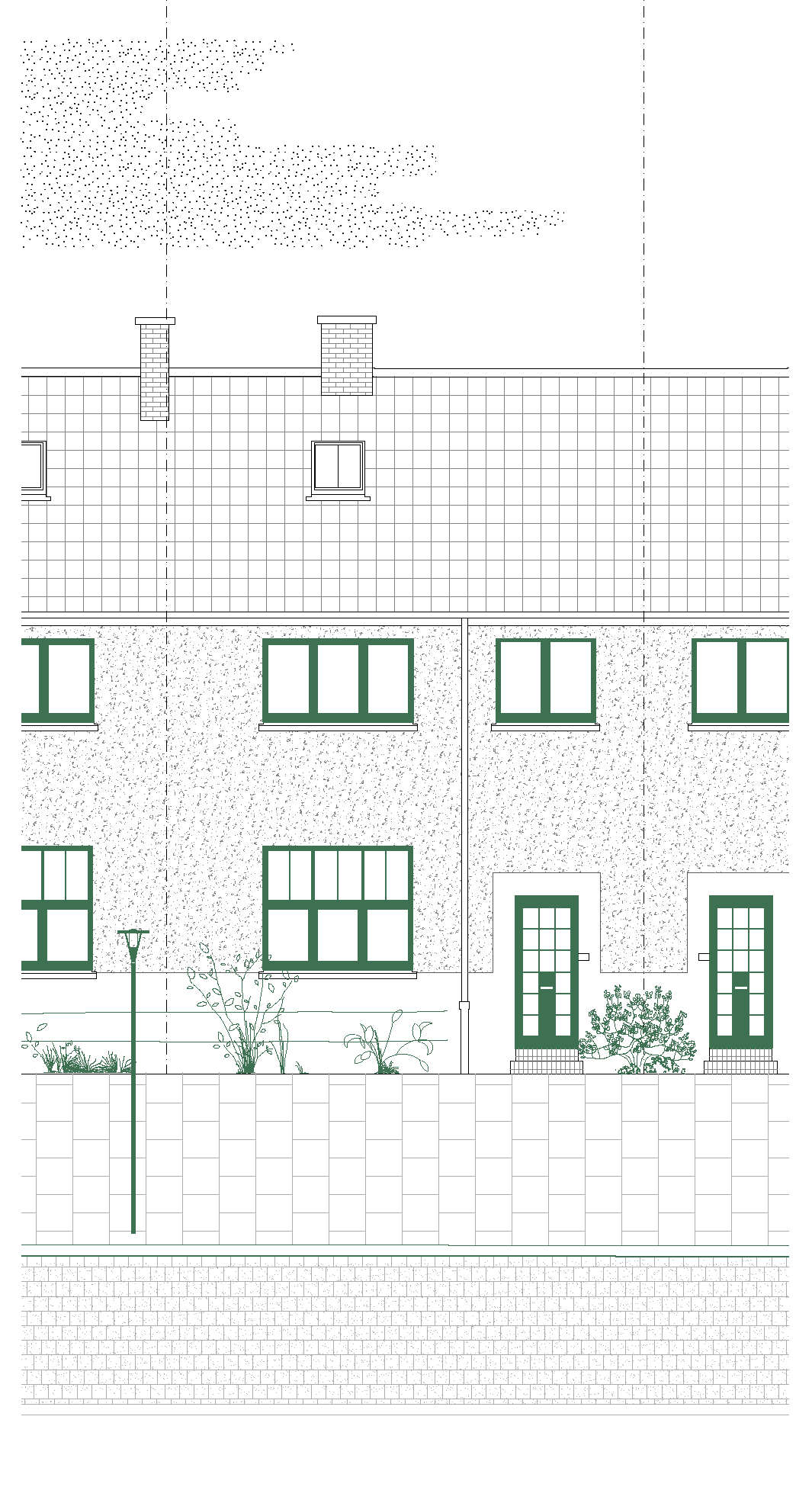
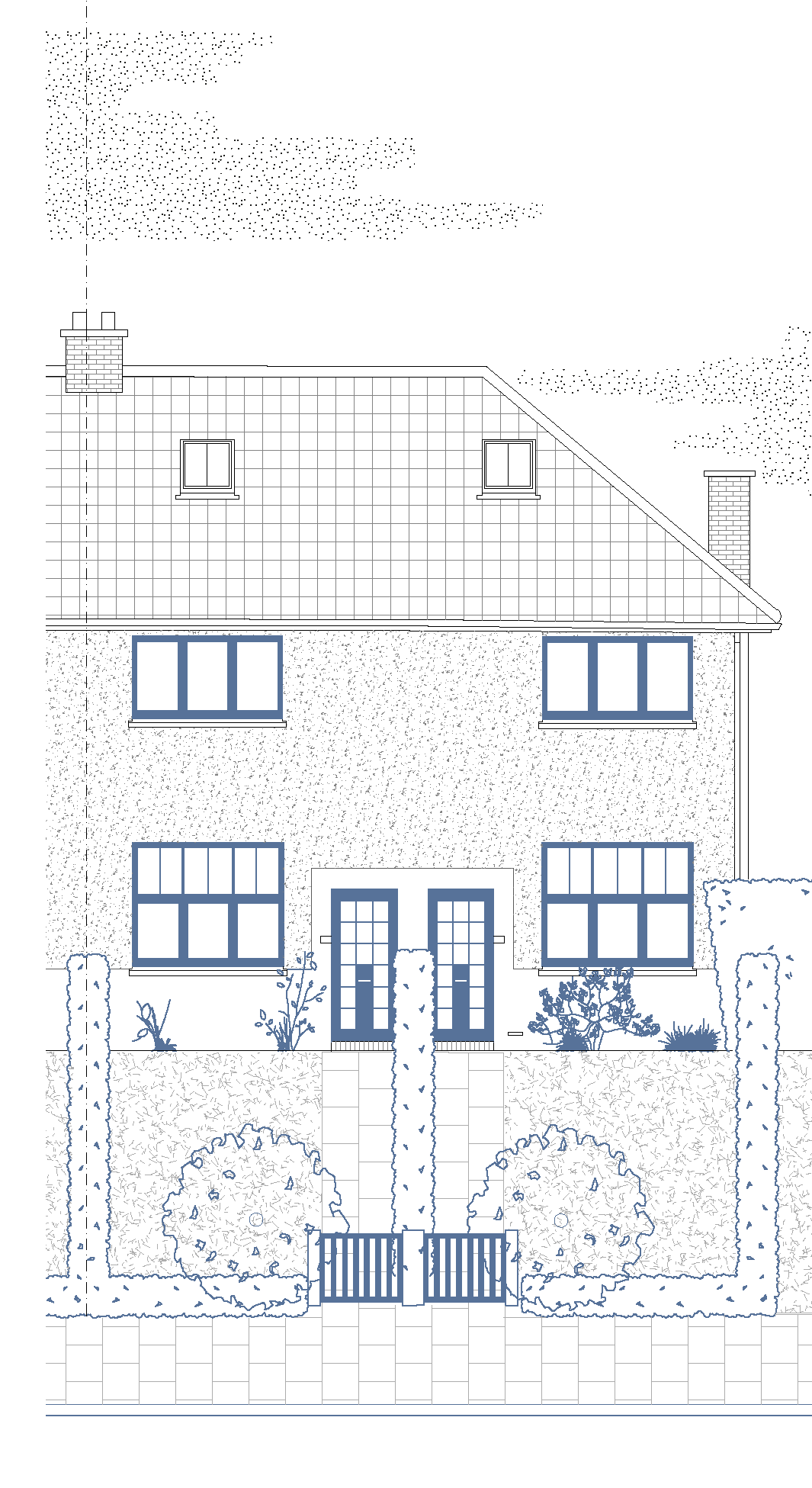
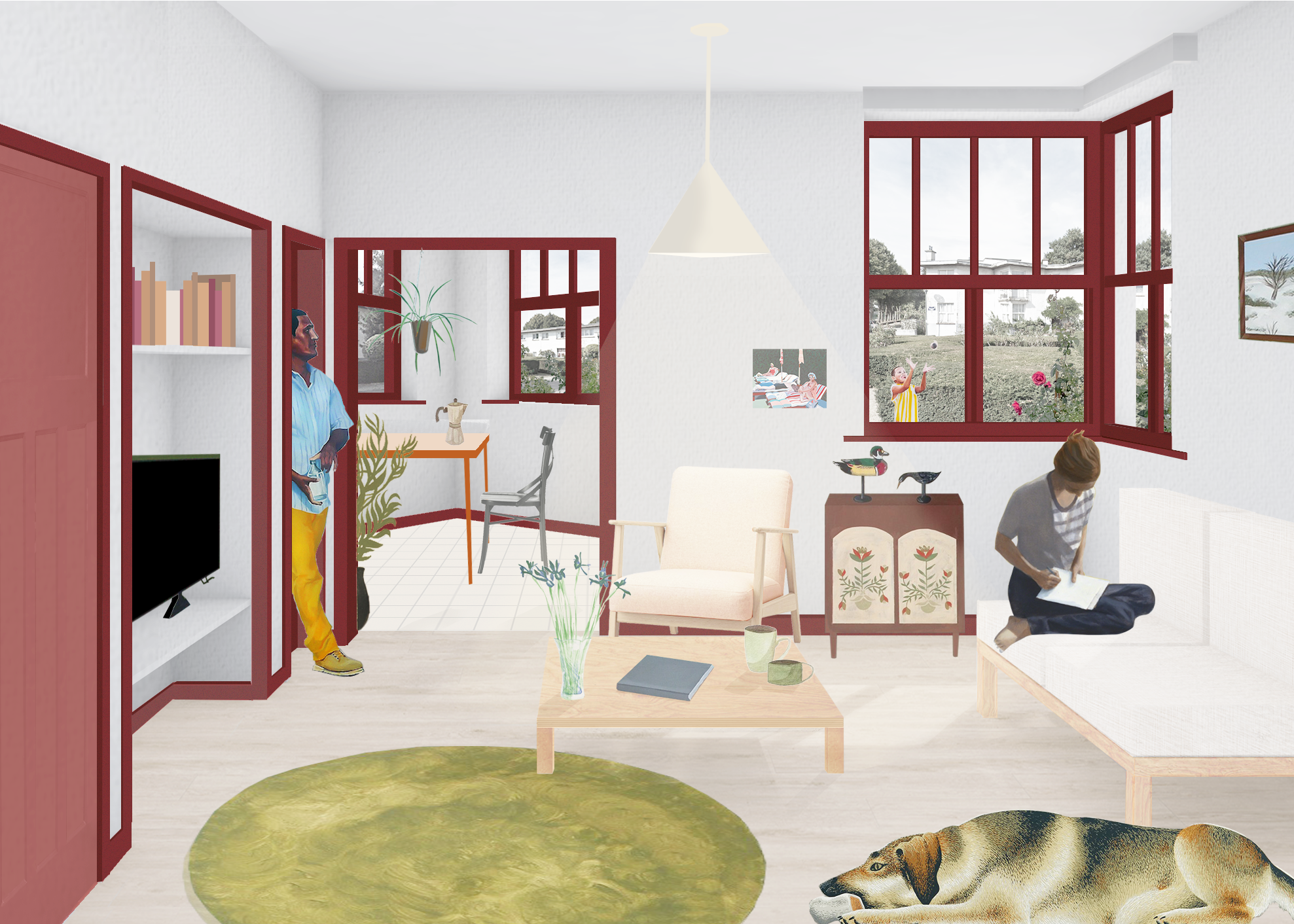
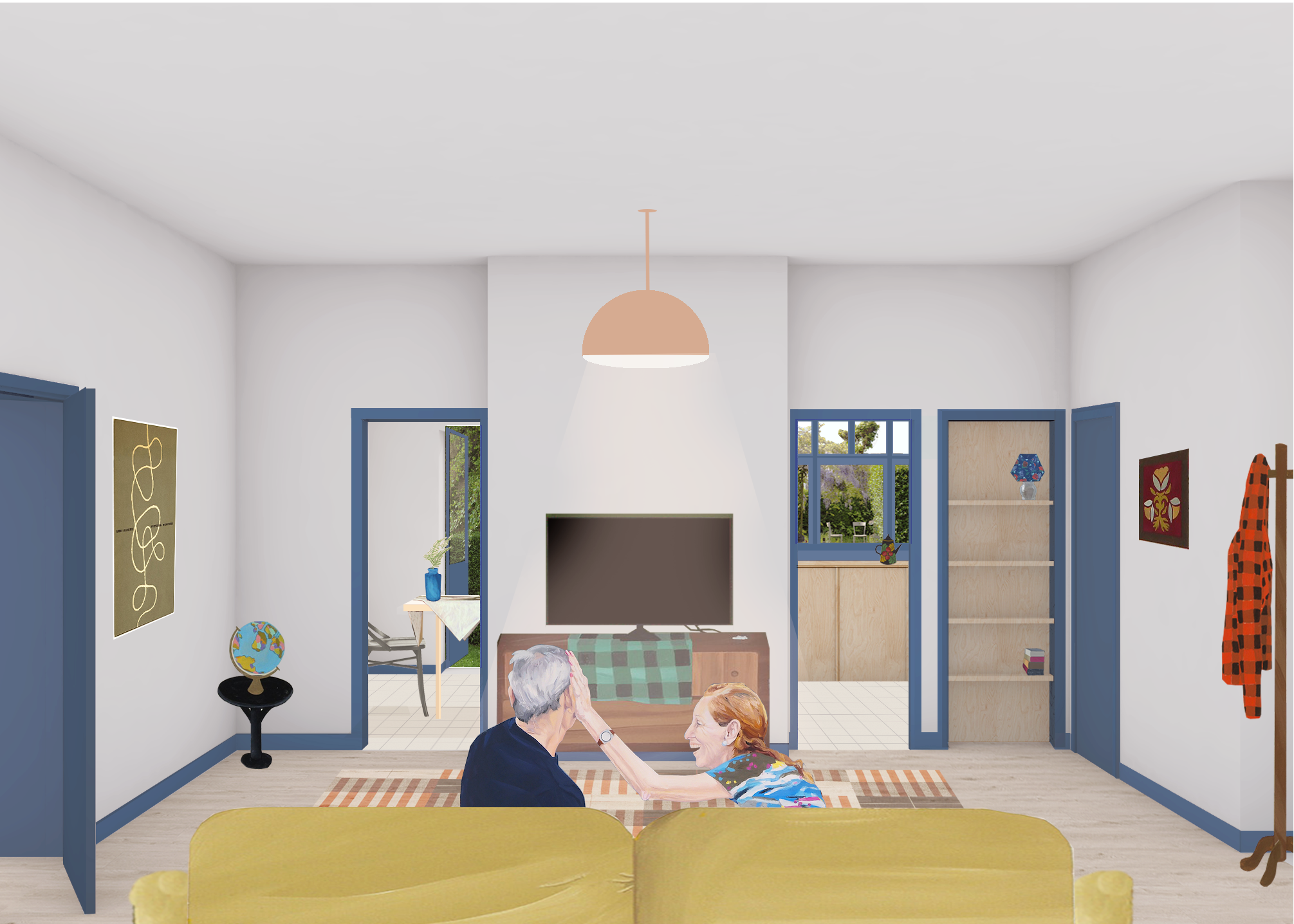
The renovation of a social housing complex necessarily involves improving the thermal insulation of its envelope. Here, the character of the Cité Moderne as a heritage site naturally dictates the choice of internal insulation, which preserves the original appearance and proportions of the buildings and avoids the fragility inherent to render systems over insulation. The exterior façades are thus carefully restored: the distinction between rough plaster and smooth plaster foundation is redefined, concrete windowsills are reconstructed, and brick thresholds are restored. Restoration work on the window frames in their original colours, revealed by stratigraphic studies, gradually restores the colour scheme – red, green and blue – that is essential to the urban landscape of the Cité.
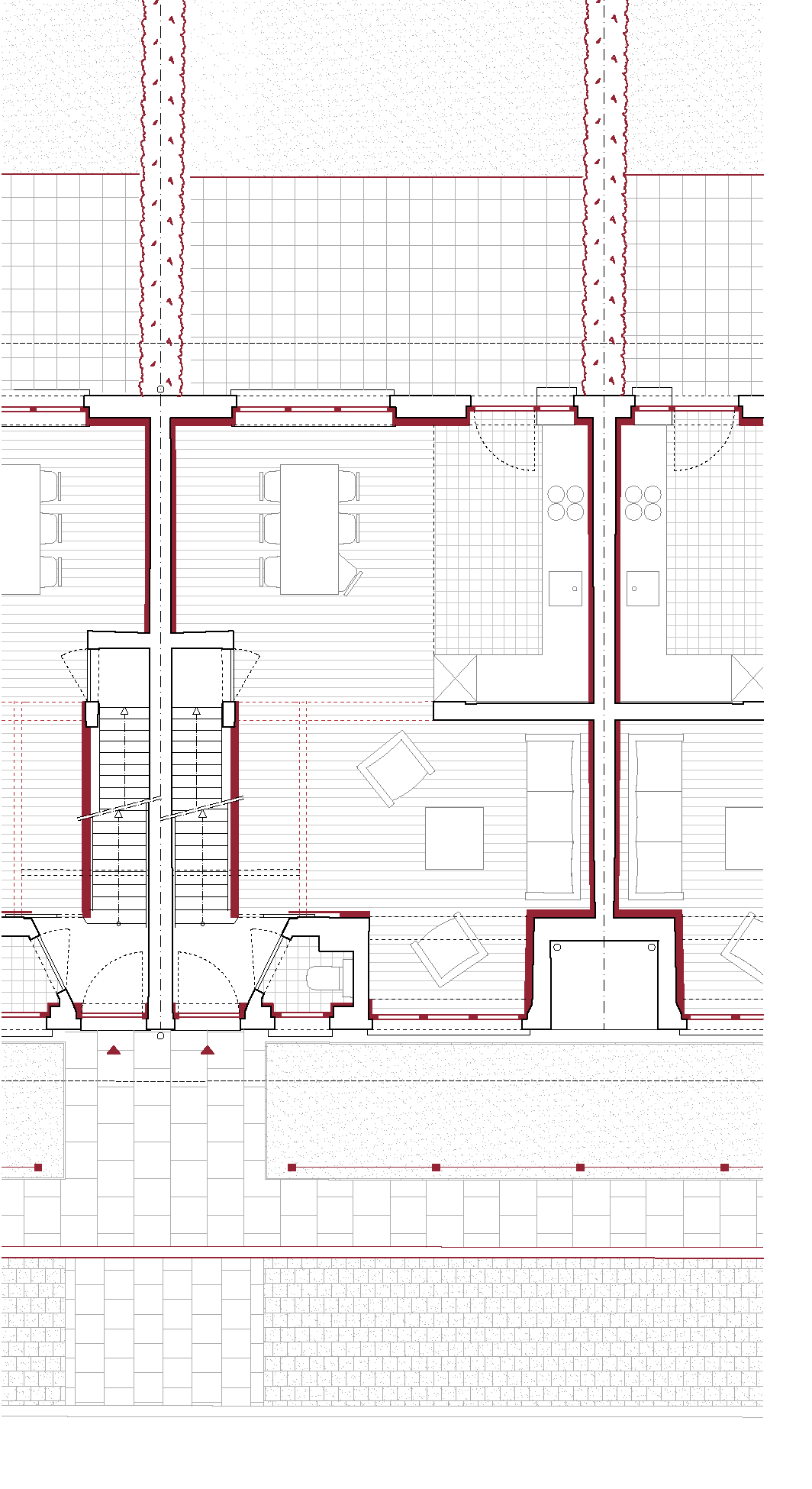
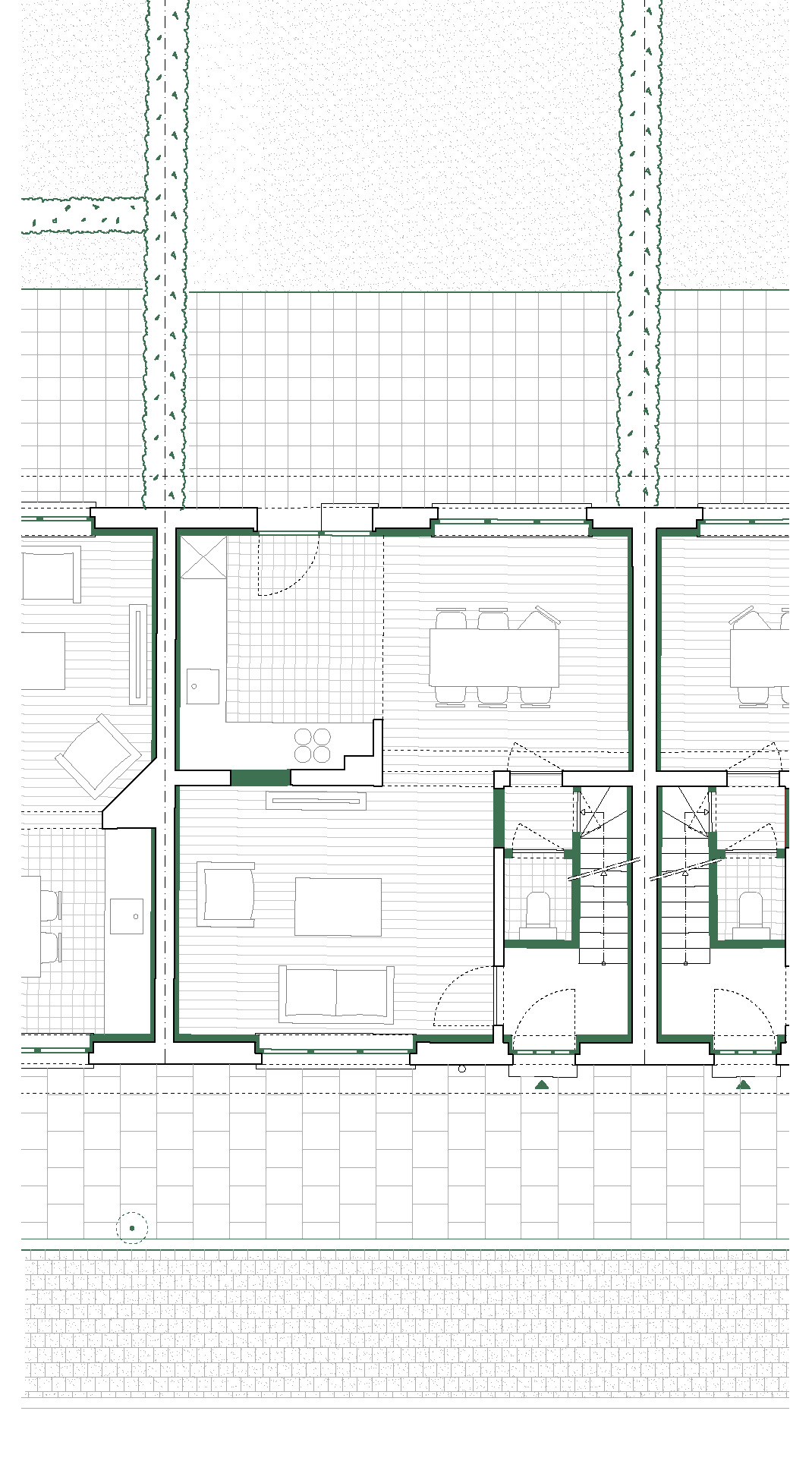
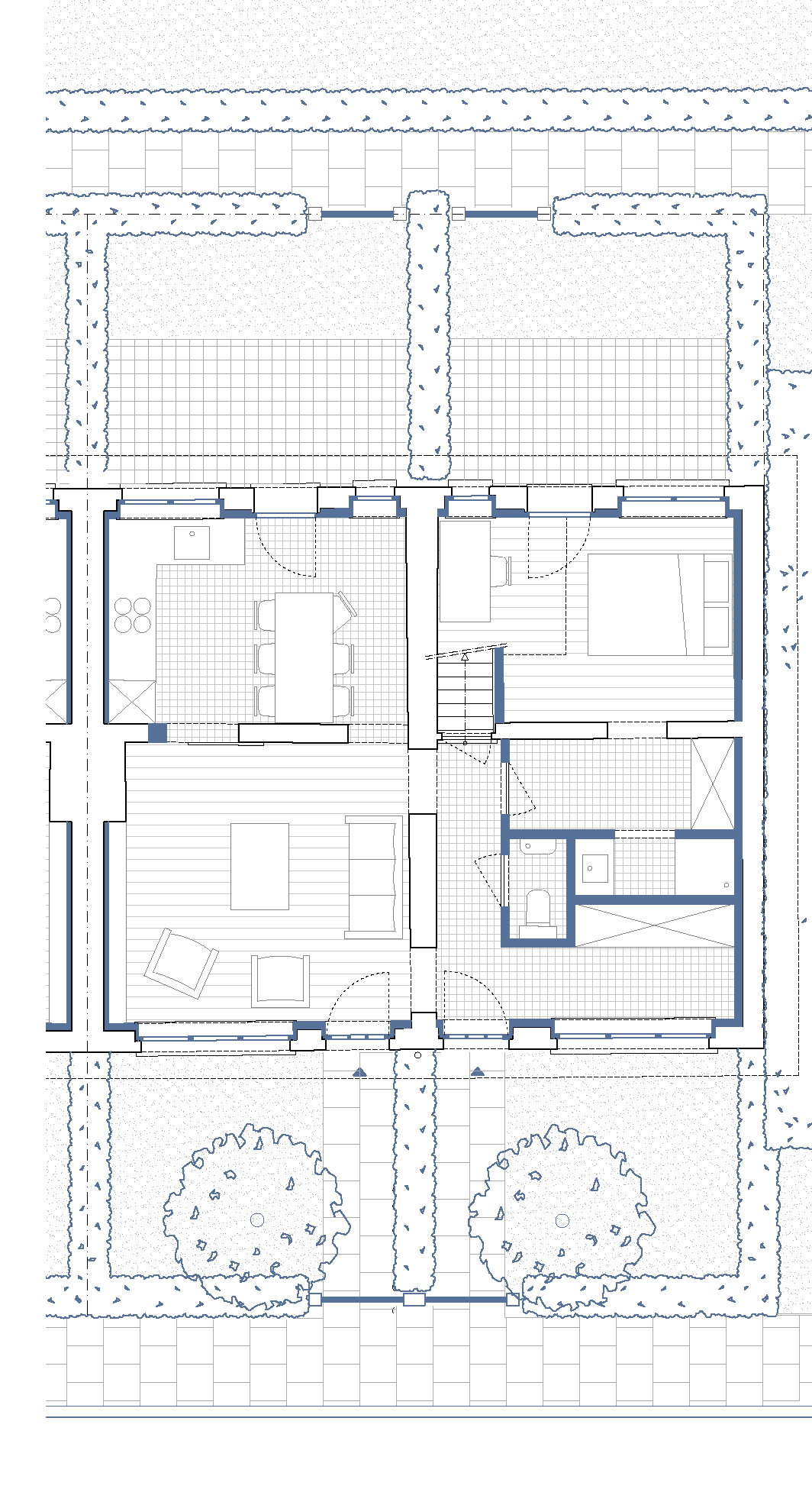
Although the project focuses on restoring the Cité Moderne as a heritage site, it also addresses contemporary interventions and new ways of living. For example, the typologies are being adapted with a view to minimising demolition and preserving existing structures: living rooms are opened up to create open-plan spaces, attics are converted into bedrooms or extra rooms, and two typologies are merged to create 4- and 5-bedroom homes.
Compatible construction systems
Le parti dThe renovation of the Cité Moderne is based on a careful analysis of the buildings and technical choices in line with the construction methods of its time, in order to ensure the robustness and durability of the work. Studies of the cellular concrete known as ‘Non Plus’ have highlighted its slightly insulating and its hydro regulating properties. Its characteristics combine effectively with those of hempcrete concrete, which naturally regulates humidity without altering its mechanical strength and limits the risk of condensation at constructive nodes. The combination of these two materials forms a solid, collaborative wall complex, reinforcing both the thermal inertia of the envelope and the stability of the interior comfort.